

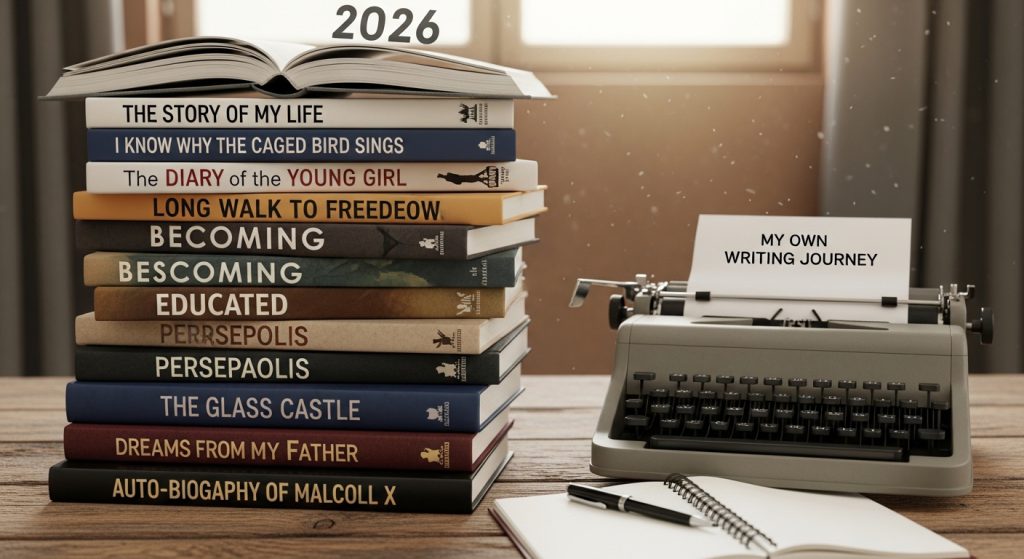
Have you ever thought about writing your own life story? Maybe you have fascinating experiences to share, important lessons you’ve learned, or just a desire to leave a record of your journey for future generations. But getting started can feel overwhelming. Where do you begin? What should you include?
The good news is that you don’t have to figure it out alone. Learning from successful autobiographies can light your path forward. In this article, we’ll explore ten remarkable autobiography examples that showcase different approaches to life writing. Each one offers unique lessons that can help you tell your own story with confidence and impact.
Why Reading Autobiographies Helps You Write Your Own
Before diving into the examples, let’s talk about why studying other people’s life stories is so valuable for your own writing journey.
First, autobiographies show you what’s possible. They demonstrate how ordinary experiences can become extraordinary stories when viewed through the right lens. They prove that everyone has a story worth telling.
Second, they teach you structure. How do successful authors organize decades of memories into a coherent narrative? How do they balance different periods of their lives? Reading widely gives you structural ideas you can adapt.
Third, they reveal voice. Autobiography is deeply personal. By reading different authors, you discover the range of tones and styles available to you from humorous to reflective, from dramatic to understated.
According to recent publishing industry data, memoir and autobiography sales have grown by over 40% in the past decade. Readers crave authentic personal stories. Your story matters, and people want to read it.
What Makes an Autobiography Truly Inspiring?
The most powerful autobiographies share common elements:
- Authenticity – Readers can sense when you’re being genuine
- Vulnerability – Sharing struggles makes triumphs meaningful
- Specific details – Vivid moments bring your story to life
- Universal themes – Personal stories that connect to broader human experiences
- Personal growth – Showing how you changed over time
Keep these elements in mind as we explore our ten examples.
10 Autobiography Examples and the Lessons They Teach
1. The Book of Irwin Gould by Irwin Gould
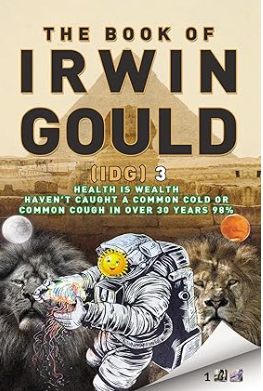
What it’s about: Irwin Gould’s inspiring memoir takes readers from his tropical island home to appearances in Hollywood blockbusters like Bad Boys II, Transporter 2, and Miami Vice. His story weaves together themes of faith, hard work, and gratitude, showing how dreams can become reality even when the journey includes lack and loss.
Why it works: Gould doesn’t just list accomplishments—he shares the powerful testimony behind his success. His authenticity shines through as he connects his Hollywood achievements to deeper values.
Lesson for your writing: Your unique combination of experiences—even seemingly unrelated ones creates a compelling story. Gould successfully bridges his work in the detailing and construction industries with his acting career, showing how diverse life experiences enrich your narrative.
Learn more about Irwin Gould’s inspiring journey at his official website.
2. Becoming by Michelle Obama
What it’s about: The former First Lady shares her journey from the South Side of Chicago to the White House, with honesty about both struggles and triumphs.
Why it works: Obama masterfully balances public achievements with private moments, making an extraordinary life feel relatable.
Lesson for your writing: Don’t assume readers only want highlights. The small, personal moments often create the deepest connections.
3. I Know Why the Caged Bird Sings by Maya Angelou
What it’s about: Angelou’s classic memoir traces her early years, addressing trauma, racism, and finding her voice through literature.
Why it works: Angelou’s poetic language transforms difficult subjects into art. She shows that beautiful writing can emerge from painful experiences.
Lesson for your writing: Your voice matters as much as your story. Developing your unique way of expressing yourself makes any story memorable.
4. Born a Crime by Trevor Noah
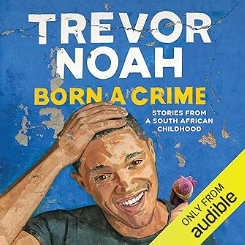
What it’s about: The comedian’s autobiography details growing up in apartheid South Africa as the child of a Black mother and white father—a combination that was literally illegal.
Why it works: Noah balances humor with serious themes, making readers laugh while learning about profound injustice.
Lesson for your writing: Humor can make difficult topics accessible. You don’t have to be solemn to be meaningful.
5. Educated by Tara Westover
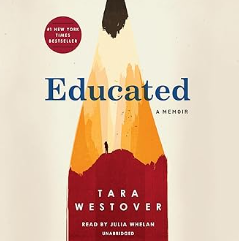
What it’s about: Westover grew up in a survivalist family without formal education, eventually earning a PhD from Cambridge University.
Why it works: The transformation from isolated childhood to academic achievement creates powerful narrative tension.
Lesson for your writing: Contrast creates drama. Show where you started and how far you’ve come.
6. The Story of My Life by Helen Keller
What it’s about: Keller’s classic autobiography describes learning to communicate despite being deaf and blind from childhood.
Why it works: Her determination and breakthrough moments with teacher Anne Sullivan continue to inspire generations.
Lesson for your writing: Focus on key relationships that shaped you. The people in your story matter as much as events.
7. Just Kids by Patti Smith
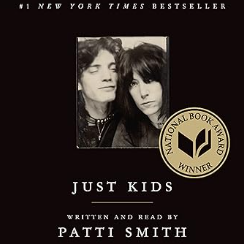
What it’s about: The musician and artist recounts her young adulthood in New York City and her relationship with photographer Robert Mapplethorpe.
Why it works: Smith captures a specific time and place with tenderness, making readers feel they’re walking 1970s New York streets alongside her.
Lesson for your writing: Setting matters. Help readers experience the places where your life unfolded.
8. Long Walk to Freedom by Nelson Mandela
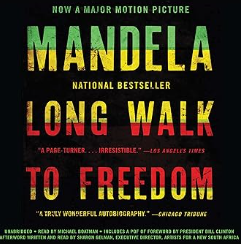
What it’s about: Mandela’s autobiography covers his childhood, activism, 27 years in prison, and eventual presidency of South Africa.
Why it works: The scale of his sacrifice and forgiveness demonstrates extraordinary human capacity for hope.
Lesson for your writing: Your story can illuminate larger historical moments. Personal narratives gain power when connected to broader contexts.
9. When Breath Becomes Air by Paul Kalanithi
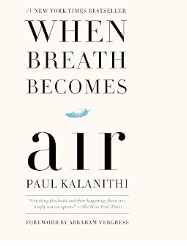
What it’s about: A neurosurgeon facing terminal cancer reflects on life, meaning, and what makes existence valuable.
Why it works: Written during his final months, the urgency gives every word weight.
Lesson for your writing: Don’t wait for the “perfect” time to write. Your perspective right now has unique value.
10. Narrative of the Life of Frederick Douglass by Frederick Douglass
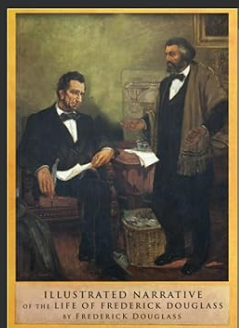
What it’s about: Douglass’s 1845 memoir details his life as an enslaved person and his journey to freedom.
Why it works: His eloquent testimony gave voice to millions and fueled the abolition movement.
Lesson for your writing: Your story can serve purposes beyond yourself. It might inspire change you cannot imagine.
Key Elements That Make These Autobiographies Successful
Let’s examine what these ten examples teach us about effective life writing:
Authentic Voice
Each author sounds like themselves. They don’t try to imitate others or use language that feels unnatural. Your readers want to hear you, not a polished, artificial version.
Emotional Honesty
The best autobiographies share struggles, not just successes. When Irwin Gould writes about “lack and loss” alongside his Hollywood achievements, readers trust him more, not less.
Specific Details
Vivid moments stick with readers. Instead of saying “I worked hard,” show us a specific early morning, a particular challenge, a concrete victory.
Thematic Coherence
Strong autobiographies aren’t just chronological lists. They have themes—faith, resilience, identity that give shape to events.
Growth Arc
Readers want to see change. Who were you at the beginning? Who did you become? What did you learn?
Common Challenges in Writing Autobiography (and How to Overcome Them)
Challenge 1: Where to Start
Many aspiring writers freeze at the beginning. Should you start at birth? With a dramatic moment? With your current perspective?
Solution: Start with the most compelling scene. You don’t have to write chronologically. Find your most vivid memory and begin there.
Challenge 2: What to Include
Life contains thousands of days. How do you choose which ones matter?
Solution: Focus on moments of change, decision, or insight. Ask yourself: “What experiences shaped who I became?” Those are your chapters.
Challenge 3: Memory Gaps
None of us remembers everything perfectly.
Solution: Talk to family members, look at photos, revisit places. Your imperfect memory is still valuable—write what you remember, honestly.
Challenge 4: Writing About Real People
How do you write about family and friends without causing harm?
Solution: Focus on your experience and perspective. You can be honest about how situations affected you without blaming others. Consider showing relevant people your writing when appropriate.
Challenge 5: Finding Time
Life is busy. Writing takes time.
Solution: Start small. Write for fifteen minutes a day. Capture one memory at a time. Consistency matters more than volume.
Practical Steps to Start Your Autobiography Today
Ready to begin? Here’s a simple process to get started:
Step 1: Gather Your Materials
Collect photos, letters, journals, and mementos. These items trigger memories and provide details.
Step 2: Create a Timeline
List major life events in order. Don’t worry about writing yet—just map the territory.
Step 3: Identify Key Themes
What patterns do you notice? What lessons keep appearing? These themes will shape your narrative.
Step 4: Write One Scene
Choose one powerful memory and write it in detail. Include sensory information—what did you see, hear, smell?
Step 5: Find Your Voice
Read your scene aloud. Does it sound like you? Adjust until it feels authentic.
Step 6: Build Gradually
Add more scenes. Connect them. Let your story grow organically.
Step 7: Seek Feedback
Share your writing with trusted readers. What resonates? What confuses them?
Step 8: Revise and Refine
Good writing requires revision. Don’t expect perfection on the first try.
To help you structure your story effectively, we’ve created “Autobiography writing templates” that guide you through each section of your life narrative. These templates provide prompts and frameworks that make the writing process simpler and more organized.
Frequently Asked Questions About Writing Autobiography
Q: What’s the difference between autobiography and memoir?
A: Autobiography typically covers your entire life chronologically, while memoir focuses on specific themes or periods. Both are valuable choose what fits your story best.
Q: Do I need to be famous to write an autobiography?
A: Absolutely not! Everyone has a unique perspective and experiences worth sharing. Some of the most powerful life stories come from ordinary people.
Q: How long should my autobiography be?
A: There’s no required length. Some autobiographies are 200+ pages; others are shorter. Focus on telling your story well, not hitting a page count.
Q: What if I don’t remember everything accurately?
A: Write what you remember. You can note uncertainty where appropriate. Memory is part of your story how we remember shapes who we are.