Photo by RDNE Stock project
Signs from loved ones after death are experiences many grieving people quietly report but rarely discuss openly. These experiences fascinated people for centuries. Across cultures, religions, and personal beliefs, many people describe moments that feel too meaningful to dismiss as coincidence. A sudden scent of perfume that belonged to a late grandmother. A song playing at the exact moment someone needed comfort. Or a vivid dream that feels more like a visit than ordinary sleep.
Grief can sharpen the senses, and people often report signs from loved ones after death during periods of emotional reflection. Some interpret these moments through spiritual traditions. Others approach them through psychology, memory, or the brain’s powerful pattern-seeking instincts. Either way, the experiences tend to feel deeply personal. And for many, they provide comfort during a time when comfort is hard to find.
The question is not simply whether these signs exist. The deeper question is why so many people, across generations and cultures, report similar experiences. Let’s explore the most common types and what they might mean.
Signs from Loved Ones After Death: When Memories Feel Like Messages
Grief researchers often discuss something called after-death communication. The term describes moments when someone believes they have received a message or presence from a person who has passed away.
This might sound unusual at first, but studies suggest it is far more common than people assume. Research summarized by grief psychologists indicates that many bereaved individuals report experiences that feel like signs from loved ones after death. These can happen weeks, months, or even years after the loss.
From a scientific angle, the brain is wired to maintain bonds. Even when someone dies, the emotional connection remains active. Memories, sensory triggers, and emotional needs can combine in ways that create powerful experiences.
But that explanation doesn’t fully erase the mystery. Sometimes the timing of these moments feels uncanny, like the universe leaning in and whispering something meaningful.
1. Dreams That Feel Different
Dreams are one of the most widely reported signs from loved ones after death.
These dreams often stand apart from normal dreaming. People describe them as unusually vivid and calm. The setting feels real, or the conversation is clear. And the emotional tone tends to bring reassurance rather than confusion.
A common pattern appears in many reports:
- The loved one looks healthy and peaceful
- The interaction feels brief but meaningful
- The dream leaves the dreamer feeling comforted, not distressed
Psychologists note that dreams play a major role in processing grief. During sleep, the brain organizes memories and emotions. That process can bring the image of the person into a dream scenario that feels remarkably lifelike.
Whether interpreted spiritually or psychologically, dreams remain one of the most intimate signs from loved ones after death that people describe.
2. Meaningful Coincidences
Humans are natural pattern seekers. Our brains are wired to notice connections—it once helped us survive. Sometimes that instinct creates moments that feel deeply meaningful.
Maybe you hear a loved one’s favorite song right when you’re thinking about them, or a butterfly appears during an emotional moment. Some people see these as signs from loved ones after death. Others see them as coincidences shaped by memory and emotion.
Either way, a coincidence can still carry comfort. The mind often gives meaning to patterns that arrive exactly when reassurance is needed.
3. Familiar Scents With No Clear Source
Another commonly reported experience involves scent. People sometimes suddenly smell a perfume, cologne, or food connected to someone who has passed away—and then it vanishes just as quickly.
Science explains that smell is closely tied to memory through the brain’s limbic system. That’s why a single scent can instantly bring back vivid memories. For many people, these moments feel like a gentle reminder that the bond still exists.
4. Electrical Oddities and Small Disturbances
Flickering lights, electronics acting strangely, or radios turning on unexpectedly often appear in stories about signs from loved ones after death.
Skeptics usually point to simple causes like wiring issues or random glitches. But when these things happen during emotional moments or anniversaries, the timing can feel meaningful. Some people interpret them as small reminders that connection doesn’t simply disappear.
5. Animals Acting Unusual
Animals often sense things humans miss. Dogs detect distant scents, and cats notice subtle sounds. Because of this, unusual pet behavior sometimes becomes part of stories about signs from loved ones after death.
A dog staring into an empty space or a cat settling in a chair that belonged to someone who passed away can feel significant. In many cases, pets may simply be responding to environmental cues—or even reflecting their owner’s emotions. Still, those moments can create a powerful sense of remembrance.
The Psychology Behind These Experiences
Let’s take a step back for a moment.
Many psychologists view signs from loved ones after death as part of the natural grieving process. The brain does not instantly erase a relationship when a person dies. Instead, it gradually reshapes the bond.
Grief researcher continuing-bonds theory suggests that people maintain emotional ties with the deceased through memories, rituals, and symbolic experiences. These moments help individuals adapt to loss.
A helpful overview of grief research can be found in resources like this article from Psychology Today: https://www.psychologytoday.com/us/basics/grief.
The key idea is simple. The human mind resists abrupt endings; rather, it prefers continuity. Experiences interpreted as signs may reflect the brain’s way of preserving meaning and emotional stability.
Yet even when explained through psychology, these moments still feel meaningful.
When Meaning Matters More Than Proof
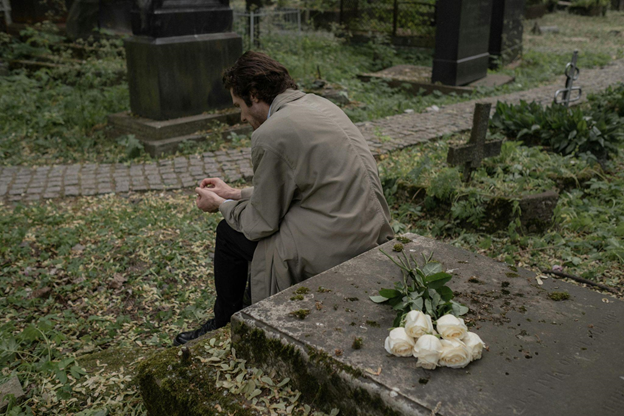
Debates about signs from loved ones after death often split into two views: some people look for scientific proof, while others trust personal experience. In truth, it often falls somewhere in between.
Some moments are simple coincidences, while others remain hard to explain, but what usually matters most is how they make people feel. A brief sense of peace, a reminder of love, or the feeling that the relationship didn’t end with loss. Humans naturally create meaning through memories and symbols, and when people interpret certain moments as signs, they’re often expressing something deeper than belief—they’re expressing the powerful, lasting bond of connection.
Stories That Keep the Connection Alive
Personal stories often help us understand these experiences better than scientific explanations alone.
That’s one reason many readers feel drawn to memoirs and reflective life stories that explore faith, purpose, and unexpected moments of meaning.
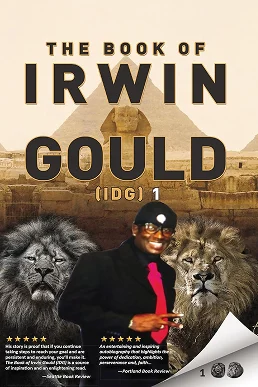
The Book of Irwin Gould series offers a fascinating example. Across the three volumes, Irwin David Gould shares experiences that blend faith, personal growth, and life lessons drawn from unusual encounters and everyday events.
In the first book, Gould recounts his journey from a Caribbean upbringing to appearing in films like Bad Boys II, Transporter 2, and Miami Vice. His story reveals how perseverance, gratitude, and belief can shape unlikely paths toward success.
The second book, Bubbles and Sudz, Plus, focuses on subtle moments that seem to guide life in unexpected ways. Gould reflects on everyday occurrences that feel meaningful—chance meetings, surprising coincidences, and events that hint at deeper purpose.
The third book shifts toward health and spiritual grounding, sharing simple practices that helped Gould maintain strong well-being for decades. His philosophy centers on the idea that caring for body, mind, and faith creates lasting balance.
Readers who feel curious about life’s hidden connections often find the series intriguing. If you’ve ever wondered whether small moments might carry deeper meaning, exploring The Book of Irwin Gould series can offer a thoughtful and uplifting perspective.
It’s a reflective journey that blends personal testimony with life lessons about gratitude, resilience, and staying attentive to the signals life sometimes sends our way.
So… Are the Signs Real?
That question doesn’t have a single answer.
For some people, signs from loved ones after death represent spiritual communication. For others, they reflect the mind’s natural effort to heal through memory and symbolism.
Both views can coexist.
What matters most is the effect these experiences have on the living. If they offer comfort, encourage reflection, or help someone feel less alone, they serve an important purpose.
Grief doesn’t arrive in neat little boxes. It rolls in like the tide—sometimes soft, sometimes overwhelming—pulling memories along with it. One moment, there’s a heaviness in your chest, and the next, you’re smiling at something they once said or did. Strange how sorrow and warmth can sit side by side like that.
And then, on the most ordinary days, something small slips in. Maybe a song you haven’t heard in years. A dream that feels unusually vivid. A coincidence that makes you pause for a second longer than usual.
Little things, really… but somehow they feel like whispers.
“I knew God’s presence surrounded me all the time, but never in my life did I ever imagine that I would be chosen as one to have such a heavenly experience.” – The Irwin Gould 2
Like a quiet reminder that the bond you shared didn’t simply disappear. Love has a way of lingering, threading itself through moments you never expected.
You’re still connected… In ways that words rarely manage to explain.
And truthfully?
You probably always will be.