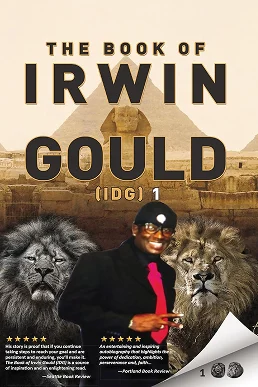
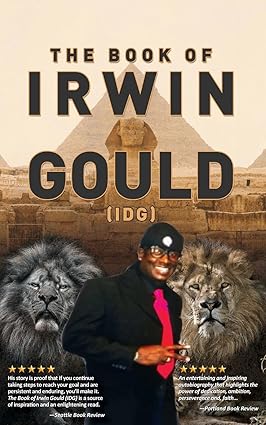
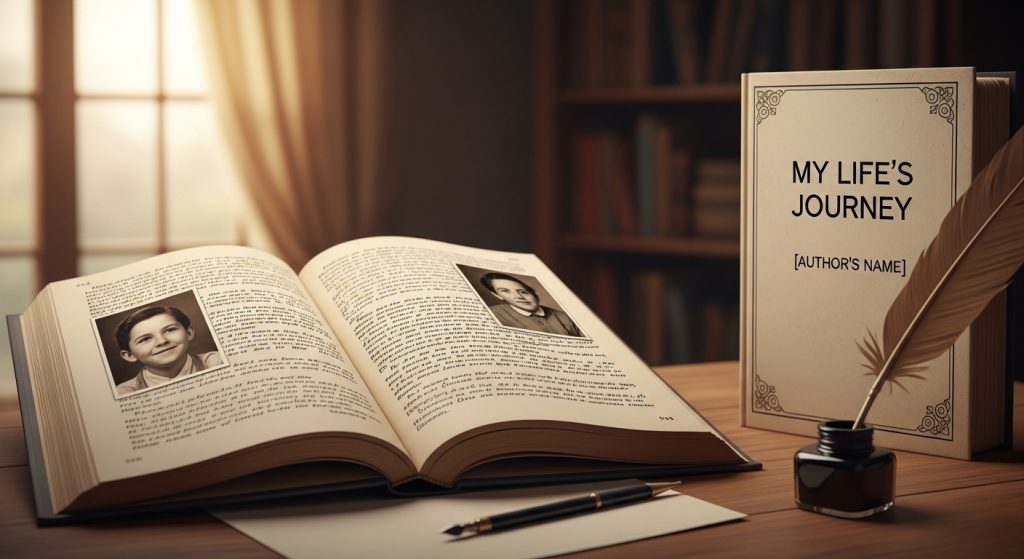
Have you ever wondered what it would be like to walk in someone else’s shoes for an entire lifetime? To understand not just one event that shaped them, but the whole chain of moments, people, and places that made them who they are? That is the gift of an autobiography.
An autobiography is more than just a story with dates and facts. It’s a direct window into another person’s soul, told in their own voice. Whether you’re a student, an aspiring writer, or just a curious reader, understanding this unique form of storytelling can open up a world of personal connection and insight. This guide will walk you through everything you need to know about autobiographies, from their core definition to how they differ from similar books, and even how you might start writing your own.
The Simple Definition: What Exactly Is an Autobiography?
Let’s start with the basics. The word “autobiography” comes from three Greek words: “autos” (self), “bios” (life), and “graphein” (to write). Put them together, and you get “self-life-write.”
An autobiography is a book a person writes about their own life. It is a first-person account, meaning the author is also the main character, and they tell the story using “I” and “me.” Think of it as a documentary directed, filmed, and starring the same person.
The key feature of a traditional autobiography is its scope. It aims to tell the complete story of a person’s life, from their childhood and family history right up to the present day (or the time they were writing). It’s like a literary timeline, connecting the dots between the past and the person they became. It’s a quest to answer the question, “How did I get here?”
Autobiography vs. Memoir: What’s the Big Difference?
This is the most common point of confusion. Many people use the words “autobiography” and “memoir” as if they mean the same thing, but there’s an important difference. Understanding this will make you a smarter reader and a better writer.
Think of it this way:
- An autobiography is the whole pie. It covers your entire life from start to finish.
- A memoir is just one slice of the pie. It focuses on a specific theme, relationship, period, or event in your life.
Let’s break it down in a simple table:
| Feature | Autobiography (The Whole Pie) | Memoir (One Slice of Pie) |
|---|---|---|
| Scope | Covers the author’s entire life from birth to present. | Focuses on a specific theme, event, or period (e.g., “My year traveling Europe,” “Growing up in the 60s,” “My battle with illness”). |
| Purpose | To tell the full, factual story of a life. It’s about documenting history. | To explore a deeper truth or theme through a personal story. It’s about reflection and emotion. |
| Structure | Usually chronological, following a timeline. | Can be more flexible, moving back and forth in time to make a point. |
| Tone | Often more formal and comprehensive, like a historical record. | Often more emotional, intimate, and conversational. |
| Example | The Story of My Life by Helen Keller covers her life from infancy to her college years. | Eat, Pray, Love by Elizabeth Gilbert focuses on just one year of her life as she travels through Italy, India, and Indonesia. |
So, if a famous singer wrote a book about their whole life, from their first school play to their final world tour, that’s an autobiography. If they wrote a book solely about the making of one specific album and how it changed them, that’s a memoir.
The Key Ingredients of an Autobiography
What makes a great autobiography? It’s more than just a list of events. The best ones have several key ingredients that pull the reader in.
- A First-Person Perspective (The “I” Voice): This is the most important element. You are experiencing the world through the author’s eyes. You hear their thoughts, feel their feelings, and see the world from their unique vantage point. This creates an immediate and powerful connection.
- A Chronological Structure: While there might be occasional flashbacks, most autobiographies follow the natural order of a life. They start at the beginning (childhood), move through the middle (career, family), and end at the present.
- A Central Thesis or Theme: A life is full of random events, but a good autobiography finds a thread that ties it all together. This could be the author’s relentless pursuit of a dream, their struggle for justice, or their journey to find their place in the world. This thesis gives the story meaning and direction.
- Honest Reflection: A great autobiography isn’t just about what happened, but how the author felt about it and how it changed them. It includes reflection, mistakes, lessons learned, and personal growth. This is what makes it relatable and human.
- Historical and Social Context: A person’s life doesn’t happen in a bubble. The best autobiographies weave in the events of the world around them wars, social movements, technological changes—and show how these larger forces shaped the author’s personal journey.
A Peek into the History of Autobiographies
People have been writing about themselves for a very long time. One of the very first examples is The Confessions by Saint Augustine, written way back in the year 400! In it, he wrote about his sinful youth and his spiritual journey to becoming a Christian.
For a long time, autobiographies were mostly written by religious figures, politicians, or philosophers. But a major turning point came with Benjamin Franklin. His Autobiography, written in the late 1700s, is considered one of the most influential in history. He wrote about his rise from a poor printer’s apprentice to a successful statesman and inventor. It wasn’t just a story; it was a guide on how to live a virtuous and successful life, and it helped make the genre popular with everyday people.
Since then, autobiographies have exploded in popularity. Now, people from all walks of life athletes, artists, scientists, activists, and ordinary people with extraordinary stories share their lives in this timeless format.
Why Are Autobiographies So Important?
Autobiographies are more than just entertainment. They serve a vital purpose for both the writer and the reader.
- For the Reader:
- Gain Empathy: You get to live a life completely different from your own. This builds understanding and compassion for people of different backgrounds, cultures, and times.
- Learn from Experience: Why make all the mistakes yourself when you can learn from someone else’s? Autobiographies are packed with life lessons, hard-won wisdom, and practical advice.
- Find Inspiration: Reading about someone who overcame enormous obstacles can be incredibly motivating. It reminds us that we, too, can persevere through our own challenges.
- Preserve History: They offer a personal, ground-level view of history that you can’t get from a textbook.
- For the Writer:
- Make Sense of a Life: The process of writing an autobiography is often a journey of self-discovery. It forces the author to look back, find patterns, and make sense of their own story.
- Leave a Legacy: It’s a way to share your story, values, and experiences with your family, friends, and future generations.
- Connect with Others: It allows the author to connect with readers on a deeply human level, showing that despite our differences, we all share similar hopes, fears, and dreams.
How to Start Reading (or Writing) an Autobiography
Whether you want to dive into this genre as a reader or try your hand at writing your own story, here are some simple steps to get started.
If you want to READ an autobiography:
- Pick a Person You Admire: Start with someone whose life you’re genuinely curious about. It could be a musician, a historical figure, a scientist, or a leader.
- Think About the Time Period: Are you fascinated by the 1960s? The Renaissance? Pick an autobiography from someone who lived through that era.
- Read the First Chapter: The opening should grab you. If it feels like a chore to get through the first few pages, it’s okay to put it down and try another one.
If you want to WRITE an autobiography:
- Start with a Timeline: Grab a piece of paper and write down the major events of your life in order. Your birth, moving to a new city, starting school, your first job, meeting important people. This is your skeleton.
- Find Your Theme: As you look at your timeline, ask yourself, “What’s the story here?” Is it about resilience? About the importance of family? About chasing a dream? This theme will be the heart of your book.
- Focus on Key Moments: You don’t have to write about every single year. Choose the most important, interesting, or life-changing events that support your theme. Describe them in detail—what you saw, heard, felt, and thought.
- Be Honest and Vulnerable: The most powerful autobiographies are the ones where the author is honest about their struggles and failures. Don’t be afraid to show your imperfections. It makes you relatable.
- Just Start Writing: Don’t worry about making it perfect the first time. Just get your stories down on paper. You can always go back and edit later. Think of it as writing a letter to a friend.
Frequently Asked Questions (FAQs)
Q: Does an autobiography have to be 100% true?
A: An autobiography is expected to be a truthful account of the author’s life as they remember it. However, memory can be tricky. Details of conversations from 40 years ago might not be word-for-word accurate, but the essence of the event and its emotional truth should be honest. It’s not like fiction, where you can make things up.
Q: Can someone write an autobiography about someone else?
A: No. By definition, an autobiography is written by the person themselves. If someone else writes the story of a person’s life, it’s called a biography.
Q: What is a “ghostwriter,” and do they write autobiographies?
A: A ghostwriter is a professional writer who is hired to write a book for someone else. The famous person (the “subject”) will spend hours sharing their stories, thoughts, and feelings with the ghostwriter, who then helps to organize the information and write it in a compelling, first-person voice that sounds like the subject. The ghostwriter’s name usually doesn’t appear on the cover, hence the term “ghost.”
Q: Are autobiographies always boring?
A: Not at all! A well-written autobiography has all the elements of a great novel: drama, conflict, interesting characters, and a satisfying narrative arc. The best ones are page-turners.
Q: What’s the difference between an autobiography and a diary?
A: A diary (or journal) is a daily, often private, record of events and feelings as they happen. It’s unpolished and immediate. An autobiography is a crafted story, written with the benefit of hindsight, looking back on a life and shaping it into a cohesive narrative for an audience.
Start Your Journey Today
An autobiography is a powerful bridge between two people: the writer and the reader. It’s an invitation to walk in someone else’s life, to learn from their triumphs and their mistakes, and to see the world through a different set of eyes. It proves that while our individual stories are unique, our shared human experience connects us all.
Ready to explore the world of real-life stories?
Why not start with a classic? Pick up a copy of Narrative of the Life of Frederick Douglass, an American Slave for a powerful account of resilience, or grab the autobiography of a musician you love to see the stories behind the songs. And if you feel a spark of inspiration, open a notebook and start writing down the first big moment you remember from your own life. You might be surprised at the story that begins to unfold.
Call to Action: Have you read an autobiography that changed your perspective? Share the title in the comments below and tell us why you loved it!