Have you ever picked up a book about someone’s life and felt like you were right there with them? Maybe you laughed at their funny stories, cried during their hard times, or felt inspired by their triumphs. That is the power of a well-written autobiography.
But what exactly makes a life story an autobiography? Is it just a list of dates and events? Or is there something more to it?
In this guide, we will explore the main characteristics of autobiography. Whether you are a student studying literature, a curious reader, or someone thinking about writing your own life story, this article will help you understand what makes this genre so special.
We will keep things simple, clear, and practical. By the end, you will know exactly what sets an autobiography apart and how to spot the traits of a great one.
What is an Autobiography? A Simple Definition
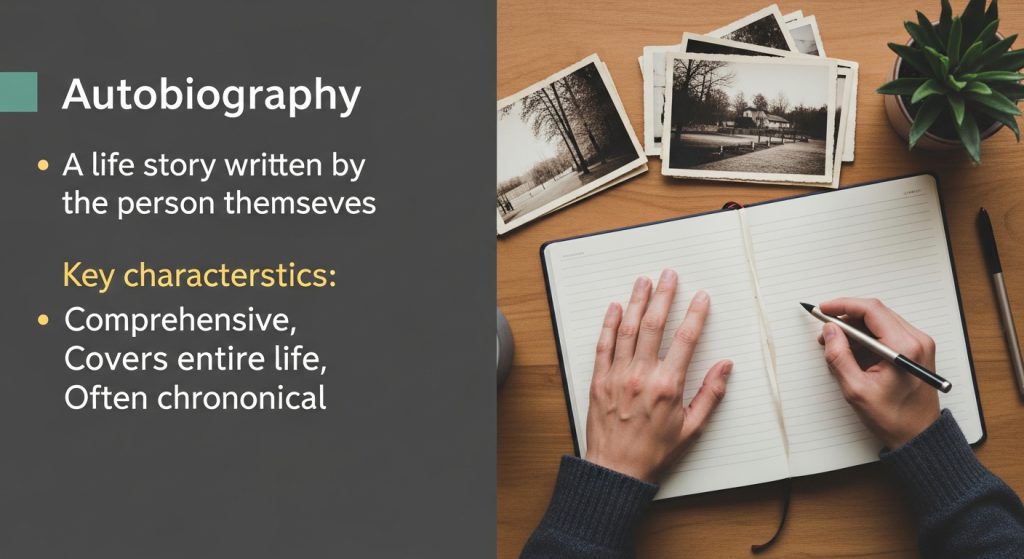
Let’s start with the basics. An autobiography is a true story about a person’s life, written by that same person. The word comes from three Greek words: autos (self), bios (life), and graphein (to write). So, it literally means “self-life writing.”
Think of it as a first-hand account of a journey. The author is both the subject (the person the book is about) and the narrator (the person telling the story). This creates a unique, personal connection between the writer and the reader.
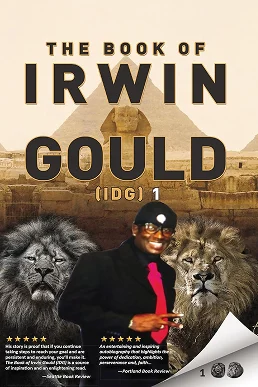
For example, in The Book of Irwin Gould, author Irwin Gould shares his journey from his tropical island home to appearing in Hollywood films like Bad Boys II. He isn’t just telling a story about someone else; he is sharing his own experiences, thoughts, and feelings. That personal touch is the heart of an autobiography.
The 7 Key Characteristics of an Autobiography
To be considered an autobiography, a work usually has these seven key elements. Let’s explore each one.
1. It is Written in the First Person
This is the most defining characteristic. An autobiography uses “I,” “me,” and “my” throughout the story. The narrator is the main character, giving you a direct line to their thoughts and emotions.
- What it sounds like: Instead of saying, “He felt scared,” an autobiography says, “I felt a knot of fear in my stomach.”
- Why it matters: It creates intimacy. You are not just learning about a person from the outside; you are experiencing life through their eyes.
2. It is a Chronological Account (Usually)
Most autobiographies follow the timeline of a person’s life from birth to the present. They tell the story in the order it happened.
- Typical structure: It often starts with the author’s family background and early childhood, then moves through their teenage years, adulthood, career, relationships, and later life.
- Why it’s common: This structure is easy for readers to follow. It shows how a person grew and changed over time, connecting events to show cause and effect.
For a detailed look at how to build this structure yourself, check out our Ultimate Guide to Structuring Your Autobiography.
3. It is Based on Fact (Non-Fiction)
An autobiography is not a novel. It is a work of non-fiction, meaning it is grounded in real events, real people, and real experiences.
- What it means: The author is expected to be truthful and accurate, to the best of their memory. While some creative writing techniques are used to make the story engaging, the core facts must be true.
- A note on memory: It’s understood that memory can be imperfect. Authors often note this, saying things like, “As I recall,” or they will verify events with photos, letters, or interviews with family and friends.
4. It Reveals the Author’s Inner Life
This is what makes an autobiography powerful. It goes beyond just listing events like “I got a job” or “I moved to a new city.” It explores the inner experience of those events.
- What is inner life? It includes the author’s feelings, thoughts, motivations, fears, hopes, and doubts. It answers the question: “What was going on inside my head?”
- Example: A biography might say, “Irwin Gould appeared in Bad Boys II.” An autobiography would say, “When I stepped onto the set of Bad Boys II, my heart was pounding. I felt a mix of incredible excitement and a quiet prayer of gratitude for the journey that led me there.”
5. It Focuses on Key Moments and Themes
An autobiography is not a diary of every single day. Instead, the author carefully selects the most important events, people, and turning points that shaped their life.
- Turning points: These are moments of change, decision, or growth. They could be a major success, a painful loss, a new friendship, or a lesson learned.
- Central themes: A good autobiography often has a “big idea” or theme that ties everything together. This could be resilience, faith, the importance of family, or the pursuit of a dream. As Irwin Gould’s story shows, his theme connects faith, hard work, and gratitude on his path to Hollywood success.
6. It Shows the Author’s Voice and Personality
Because the author is telling their own story, their unique personality shines through. The tone can be funny, serious, reflective, sarcastic, or hopeful. It is the author’s authentic voice.
- Why it’s important: Voice is what makes an autobiography feel alive. It helps the reader connect with the author as a real person, not just a character in a book.
- Finding your voice: Your voice is just how you sound when you are being yourself. When writing, you should imagine you are telling your story to a close friend.
7. It Includes a Reflection on the Past
A key characteristic of autobiography is that the author looks back on their life with the wisdom of hindsight. They don’t just tell you what happened; they tell you what it meant.
- Looking back: The author often comments on past events, explaining how they understand them now. They might share lessons learned, regrets, or how they have grown.
- Purpose: This reflection is what gives the story meaning and offers value to the reader. It turns a simple story into a source of inspiration or insight.
Autobiography vs. Biography vs. Memoir: What’s the Difference?
People often confuse these three types of life stories. Here’s a simple table to clear things up.
| Feature | Autobiography | Biography | Memoir |
| Who Writes It? | Written by the subject themselves. | Written by someone else. | Written by the subject themselves. |
| Point of View | First person (“I”). | Third person (“he” or “she”). | First person (“I”). |
| Scope | Covers the author’s entire life from birth to present. | Covers the subject’s entire life. | Focuses on a specific theme, time, or relationship in the author’s life. |
| Focus | A complete life story. | A complete life story from an outsider’s view. | A specific experience or period (e.g., “my years as a doctor”). |
Think of it this way: your autobiography is your whole life story, written by you. A biography is your whole life story, written by someone else. A memoir is a deep dive into one specific chapter of your life.
Why Do People Write Autobiographies?
Understanding the purpose behind an autobiography helps explain its characteristics. People write their life stories for many reasons:
- To Share a Legacy: Many write for their children, grandchildren, and future generations. They want their family to know who they were, where they came from, and the lessons they learned.
- To Inspire Others: By sharing their struggles and triumphs, authors can give hope and guidance to others facing similar challenges.
- To Heal: The act of writing can be therapeutic. Putting painful experiences into words can help an author process and make sense of their past.
- To Set the Record Straight: Sometimes, people write to correct misinformation or to share their side of a public story.
- To Preserve History: An autobiography can offer a personal perspective on important historical events, capturing the human side of history.
How to Start Your Own Autobiography: A Simple Plan
Feeling inspired to write your own story? You don’t have to be famous to have a story worth telling. Here’s a simple, actionable plan to get you started.
Step 1: Start with Your “Why”
Before you write a single word, ask yourself why you are doing this. Is it for your family? To share a lesson? To record your memories? Write your reason down. This will be your guiding light.
Step 2: Become a Memory Detective
Gather your clues. Look through old photos, letters, and souvenirs. Talk to family members and ask them what they remember. This will trigger memories you might have forgotten.
Step 3: Create a Simple Timeline
On a big piece of paper, draw a line. Mark the major events of your life in order: your birth, moves, schools, jobs, relationships, and achievements. This gives you the skeleton of your story.
Step 4: Find Your Theme
What is the main message of your life? Is it about overcoming obstacles? The power of love? Finding your passion? Your theme will help you decide which stories to tell.
Step 5: Write One Small Story
Don’t try to write a whole book. Just pick one small, powerful memory from your timeline. It could be a funny moment from childhood or a tough time you got through. Write it down in as much detail as possible, using your five senses.
To make this process even easier, you can use autobiography writing templates that provide prompts for each stage of your life. And before you start, be sure to use this ultimate autobiography book checklist to ensure you don’t miss anything important.
Frequently Asked Questions (FAQs)
Q: Do I have to be a professional writer to write an autobiography?
A: Absolutely not. The most important thing is that you have a story to tell and the desire to tell it. You can always hire an editor later to help with grammar and flow. Your authentic voice is what matters most.
Q: What if I don’t remember everything perfectly?
A: That’s normal and expected. Write what you remember. You can be honest about your uncertainty by using phrases like “I recall…” or “As best as I can remember.” Your memories are your truth.
Q: How long should my autobiography be?
A: There’s no set length. It can be 100 pages or 300 pages. The goal is to tell your story completely, not to hit a certain word count. Focus on covering the key moments and themes you’ve identified.
Q: How do I write about real people in my life without hurting their feelings?
A: This is a common concern. You can focus on your own perspective and feelings rather than blaming others. You can also change names or identifying details to protect people’s privacy. If you are worried about someone’s reaction, consider showing them what you wrote before you publish.
Q: What’s the difference between an autobiography and a memoir?
A: An autobiography covers your entire life chronologically. A memoir focuses on a specific theme or period in your life. For example, you might write an autobiography called My Life Story, or you might write a memoir called My Years as a Firefighter.
Conclusion: Your Story is a Gift
The characteristics of autobiography first-person narrative, factual basis, inner reflection, and a unique voice all work together to create something truly special. An autobiography is more than just a book; it is a gift of experience, wisdom, and connection.
Whether you are reading one to learn from another’s journey or writing your own to leave a legacy, you are taking part in a powerful human tradition: the sharing of our stories.
If you’re ready to start writing, take the first step today. Open a notebook and write one memory. For inspiration, read about the incredible journeys of others. Check out these 10 autobiography examples to inspire your own writing journey.
Your life has meaning. Your experiences are valuable. Your story is waiting to be told.
Ready to Take the Next Step?
Writing your life story is a journey, and you don’t have to do it alone. Whether you’re just starting to gather your thoughts or you’re ready to structure your story, we have resources to help.
- Start Structuring: Get our Ultimate Guide to Structuring Your Autobiography to build a strong foundation for your book.
- Get Inspired: Read The Book of Irwin Gould, Book 1 and The Book of Irwin Gould, Book 2 to see how one author wove his life experiences into a compelling narrative.
- Plan Your Book: Use the Autobiography Book Checklist to make sure you don’t miss any steps on your path to publication.